
Creative threshold
Creativity and Play – inteview with Ann Cummings by Angélica Reyes Fraga
Welcome to the Creative Threshold: These are interviews with artist friends and creators from their perspective on creativity and spirituality, play, and storytelling. The interviews are in English and have been translated into Spanish.
In mid-February 2023, I reached out to Ann for this interview. I connected with her at her home on Manitoulin Island, Canada, where she has resided for the past three years, working as a Unstructured Play Educator and Land Based Learning program facilitator.
As we conversed, her dog sought attention, and I could sense the crisp air seeping through her window, setting the scene for our discussion.
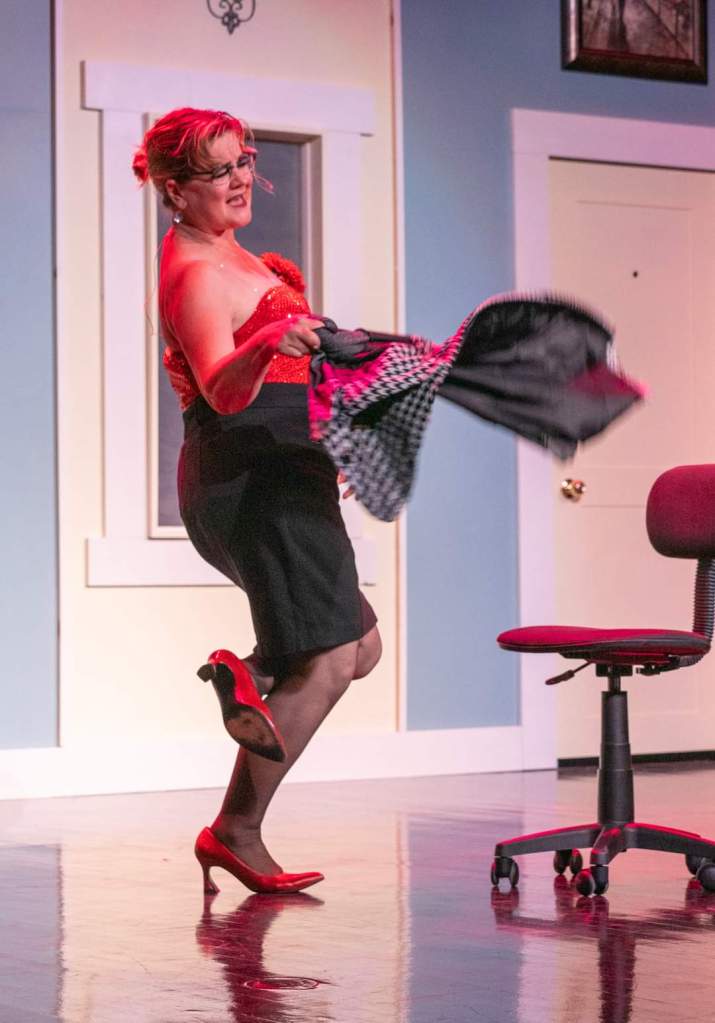
Ann is a delightful box of surprises, with a background that spans singing, drumming, and working with disabled individuals. She embodies the essence of an art fairy. I’ve witnessed her creative prowess in a burlesque troupe where she showcased her talents in performance and song. She serves as my inspiration for embracing a free-spirited approach to life.
My connection with Ann dates back to 2001 when we both engaged in capoeira. Over the years, we shared art communities and many moments of fun. We even lived in the same apartment building for a few years, enjoying the same view of an oak tree in our garden. Our bond feels like that of sisters.
Ann played a pivotal role in sparking my interest in Art Therapy in 2008 through a mandala spiritual art and creativity workshop. Her insistence and eagerness to share this transformative tool, taught by our friend Yvetta, left a lasting impact on my creative journey.
Ann is here to share her insights on creativity and play. I trust you’ll find her words as enjoyable and inspiring as I did.
What does creativity mean to you?
I believe it is an inherent trait, something present in all individuals from birth. It is an innate aspect of humanity, an intrinsic force permeating all forms of life. Creativity is not exclusive to humans; animals and plants also possess the capacity for creative expression. Unfortunately, it’s often overlooked. If we observe a young child or reflect on our early years, the instinct to explore the world is evident. In those moments, we naturally engage in various forms of expression without inhibitions—singing, dancing, laughing. This uninhibited creativity represents our true essence as human beings. However, as we navigate through life within societal structures, our innate creativity tends to be diminished or “decreativesized.” The tendency to control or contain individuals is facilitated by limiting their creative thinking.
Creativity, in my view, is a powerful force. It requires individuals who think creatively, challenging the status quo to generate new, innovative perspectives on life. Being ahead of one’s time can be challenging; society may not be ready for people who think outside the box, leading to potential consequences, even legal trouble, depending on the prevailing era.
But then a hundred years later, that consciousness has shifted, relying on the creative thinking of pioneers to move society forward. When you consider it, just look around the room—at the windows, the walls in the house, the light bulbs, the chairs—every item represents an invention, requiring someone thinking about them. Despite the challenges, I believe creativity is a force that propels us forward, encouraging us to think beyond established boundaries and envision a better, more innovative future.
What does creativity and play mean in your life?
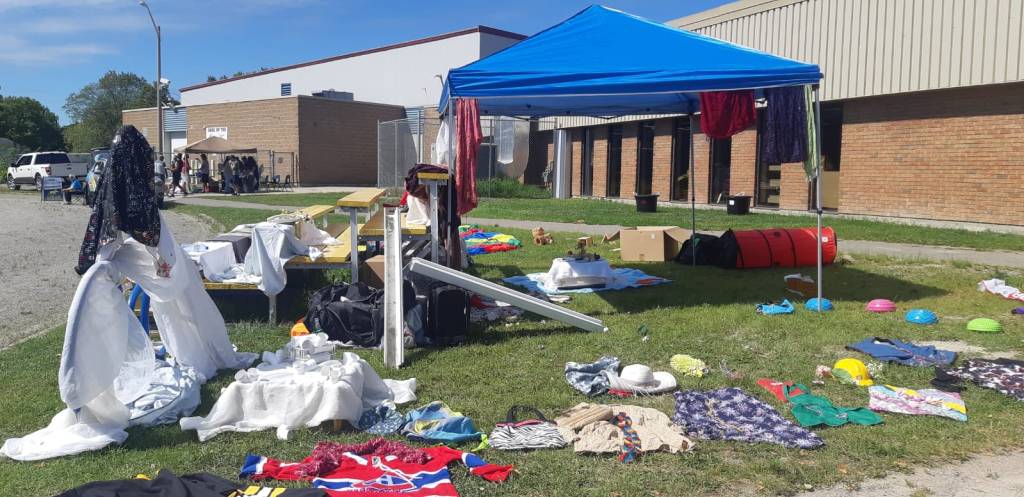
I consider myself fortunate as I’ve been able to pursue my creativity throughout most of my life. Thankfully, my parents were incredibly accepting and supportive of my endeavors, allowing me to naturally turn my creativity and play into my profession over the years. Currently, I identify as a child unstructured play specialist. In my professional life, I support both adults and children in creating unstructured play spaces, primarily in daycares and various indigenous and non-indigenous communities. This involves hosting pop-ups, where I bring all the necessary materials and set up the space. For example the other day during public hearing and sight screening and testing days they wanted to make it fun so we set up a pop up playing area. Additionally, I visit schools and early care centers, focusing on facilitating play for children and providing training for adults on supporting play. This is my current professional focus.
In my personal life, I engage in Ecstatic dance, which I perceive as unstructured movement play for adults. It involves learning to listen to the body, allowing it to move where it wants to go, and expressing the innate creativity within. I’ve noticed a deficit of creativity and play in our society, where the emphasis is often on efficiency and action. Creativity seems reserved for artists and children, but I believe it’s crucial for adults to maintain a playful and creative mindset. Even if I weren’t doing this professionally, I would find ways to play, such as joining the local musical society. For me, play is essential; without it, life becomes mundane and dry. I cannot imagine living without a creative and playful mindset. There’s so much more to say about the importance of it.
How do you nurture creativity?
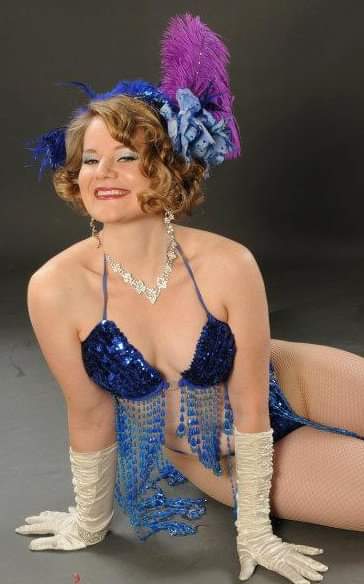
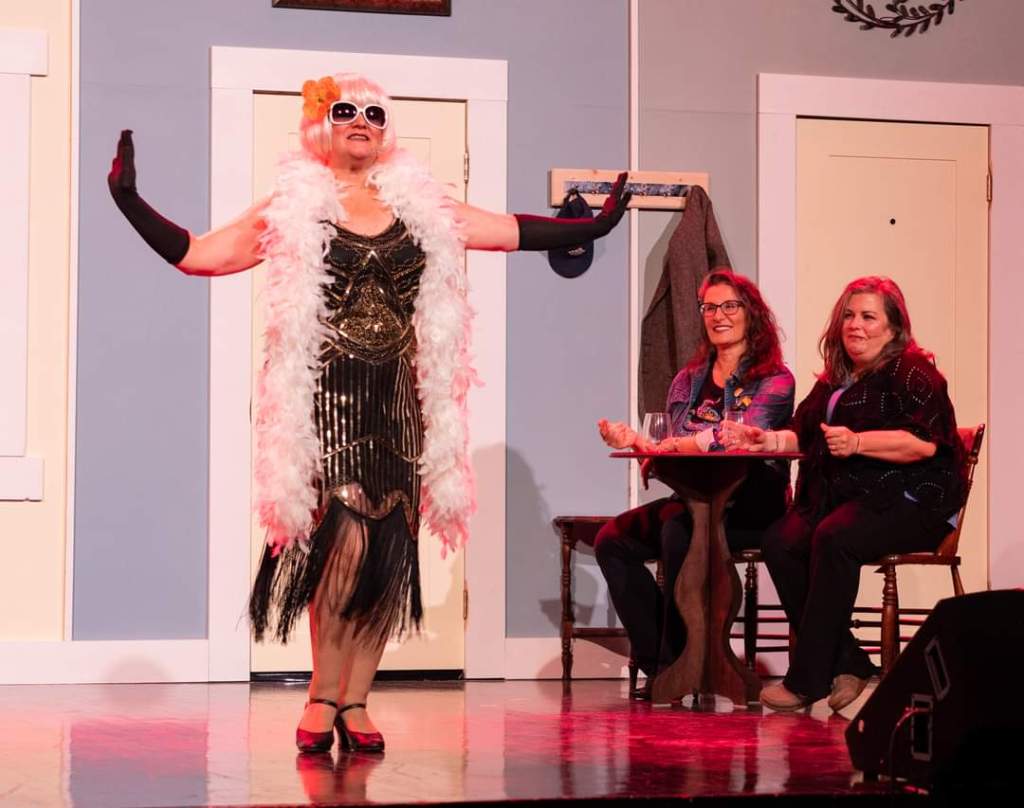
For myself as an individual, I engaged in burlesque for many years, I am a burlesque performer. Burlesque, as you may be aware, revolves around the essence of play. It is a form of sensuous play that intertwines elements of fun, creativity, and theatricality. The pursuit of burlesque is driven by the enjoyment derived from the act; requiring effort to craft but ultimately a manifestation of playfulness. Whether it involves music, dance, theater, or sensuality, the essence remains one of play.
I have been actively involved in burlesque since 2005, marking a span of 18 years. Additionally, I pursued improv classes and engaged in drumming maracatu for numerous years, perceiving them as structured forms of play infused with the inherent joy they bring. Alongside these, I immersed myself in singing, performing arts, mandala spiritual practice and Ecstatic dance for a decade.
I engage in play professionally, but my genuine enjoyment comes from interacting with children. Playing, to me, is like a muscle—one that I consciously develop when working with kids. It’s an innate aspect of their natural way of being, and when I play with them, I instantly switch to a mode of heightened presence. I become attuned to their current state, responding in the moment to wherever they are emotionally or playfully. It’s akin to a kind of Zen practice, requiring me to be fully present and adjust immediately to the child’s disposition, whether they are a toddler, a teenager, or anything in between. In these moments, play becomes a form of art. It involves seeking out those instances that bring joy—moments that elicit laughter or surprise, for instance. It’s about being attuned to the funny or unexpected aspects, creating a shared experience that transcends age or species.
I recently organized a pop-up play event in Chapleau , which is located five hours north of here. I set up a designated play area for their bike rodeo, where various stakeholders such as the police and healthcare providers were present. Despite my preference for outdoor setups, I had to adapt due to pouring rain. Instead, I creatively transformed an indoor space, using draped fabric to create tunnels. I arranged dress-up clothes and established a makeshift restaurant. To engage the children, I walked around utilized a variety of animal puppets and interacted with them through the puppet characters.
Approaching the children in character, I initiated playful conversations, asking, “How is it going? I am playing.” Gradually, some children joined in, following the cues of the puppet characters. They eagerly participated in activities such as dressing up and exploring the tunnel. The dynamic evolved into an enjoyable game, with the children responding to prompts like, “Do you want to go in the tunnel?” I introduced toy snakes into the mix, exclaiming “Snake attack!” as the children reveled in the excitement. My approach was responsive, adapting to the children’s lead and creating a lively and engaging experience for everyone involved.
I offer suggestions or provocations, but my approach is to follow their responses. I initiate games and observe where they choose to take them—it’s a dynamic process. I was having such a good time. Reflecting on the experience, my coworker mentioned how demanding this work can be due to the substantial energy it requires, and I couldn’t agree more. It’s often misunderstood by mainstream society, which tends to view it as a mere waste of time. However, from my perspective, it embodies a profound form of learning, a unique approach that is, in essence, a form of research.
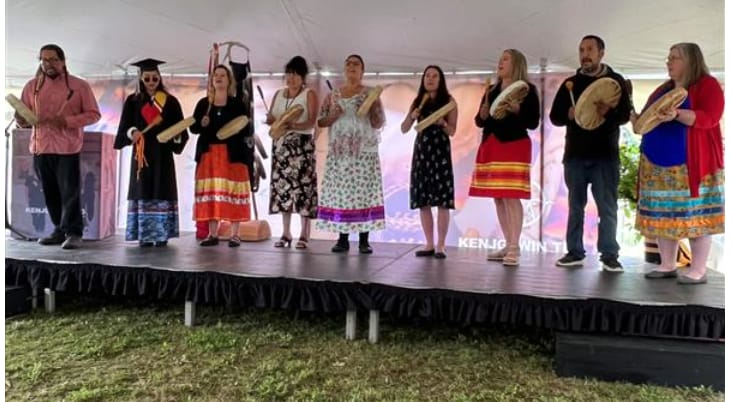
Play is essential, and neglecting it, even as an adult, can lead to physical or mental health issues if playfulness is not maintained regularly. In my professional experiences, I’ve often found myself being the outlier, the l black sheep, in various job settings. Currently, I am employed at Kenjegewin Teg an indigenous college on the island. Our program is unique; we are the sole entity dedicated to working with children. Unfortunately, there’s a misconception that our work primarily involves just playing around, without recognizing the substantial effort behind it.
Working with children through play requires a significant commitment. While it may seem like mere play, the reality is that facilitating meaningful play, creating a conducive environment, and ensuring the well-being of the participants demand considerable effort and energy. As Yvetta, our spiritual teacher, mentioned in a previous interview, You have to be emotionally and spiritually fit to support the play.It’s not just about engaging in the activity; it’s about maintaining the emotional and spiritual well-being necessary for fostering a supportive and enriching play experience.
There is a prevailing tendency to fundamentally dismiss the significance of working with children in our society. The prevailing notion is that this work is not crucial or important, especially since children are not initially contributing to the economy. In our capitalist society, where one’s value is often associated with financial contributions, the worth of children is unfortunately limited to the basic expectation of being loved. However kids are the driving force of what society is or should be.
Engaging in a profession that involves working with kids, I often sense an undercurrent of jealousy from others. The assumption seems to be that, in working with children, one is not actively contributing or doing anything substantial. Yet, the reality is that shaping the experiences of the younger generation has far-reaching implications for the future of society, making the work both meaningful and essential.
In my experience, I’ve learned a valuable lesson about the importance of facilitating fun, and an artist and friend with whom I collaborated in the Spiral Garden program summed it up perfectly. She emphasized that creating a genuinely enjoyable environment requires a considerable amount of effort. It’s not just about instructing others to have fun; you need to actively participate and embody the joy you want to cultivate.
I vividly recall her using a theatrical voice to illustrate the point, saying, ‘Can you imagine,’ and then switching to a commanding tone, ‘We are going to play now! Form a circle, and let’s dive into the fun!’ It highlighted the absurdity of giving orders without infusing the activity with genuine enjoyment. This insight has shaped my approach, reminding me that to foster a positive and enjoyable atmosphere, I must lead by example, ensuring that the experience is not only structured but also genuinely fun and engaging for everyone involved.People often fail to realize that office work allows for flexibility. If you don’t want to tackle a report immediately, you can put it on hold. However, when working with kids, you are always on duty, much like being a parent. There’s no option to postpone tasks when children are present; you can’t simply say, ‘Sorry, I’ll deal with that later’ when a child has an immediate need, such as shitting their pants or crying. In those moments, you must address the situation promptly.
It’s crucial for people to recognize that the responsibilities and immediacy demanded by parenting extend beyond the family unit and play a fundamental role in shaping the fabric of society.
What does creativity mean for humanity?
Historically, our evolution as a species has been intrinsically tied to our ability to be creative. Play and creativity have always gone hand in hand. Creativity introduces an element of risk and fun, and without the enjoyment factor, interest tends to wane. In contrast to the necessary but often mundane tasks that adults face, it’s the moments of fun that truly enrich our lives. Successful artists and creative thinkers, in my opinion, have discovered a way to not only make a living but also find joy in what they do. “It is like getting paid to get to play”, as Tony Robbins aptly puts it.
Currently, we face a deficit in this aspect, particularly given the increased screen time, the impact of COVID, and the post-COVID era. I observe a decline in children playing outside, whether due to safety concerns or shifts in societal norms. Playing on the streets represents, for me, an innate expression of creativity in humanity. It is what children naturally engage in when left to their own devices without adult intervention. Interestingly, adults would similarly revert to play when faced with a problem or boredom.
As I progress in my career, I find myself increasingly drawn to exploring this area. I believe there’s a need to support adults in rediscovering the joy of play and treating it almost like a spiritual practice. Integrating play into daily life, even in small ways, such as creating short songs or inventing unconventional games with children, is essential. I envision extending this support to various demographics, from engaging kids in playful activities to teaching unconventional skills to adults, such as the lighthearted example of instructing middle-aged women on the art of stripping—why not inject some humor into life?
These thoughts about the evolving nature of our society and the importance of play occupy my mind more and more.
Why do you think we need to create?
In an ideal world, reminiscent of indigenous communities, creativity thrived when all essential tasks for survival were taken care of, allowing time for artistic expressions. The art of storytelling, singing, painting—these were natural outlets for human expression when time permitted. However, in our contemporary society, time is equated with money, and creativity is often viewed as a non-essential or non-conservative pursuit, diminishing its perceived value. Yet, can we truly live without it? Even those who claim not to be creative or engaged in the arts often find themselves watching TV, Netflix, listening to the radio, or enjoying music – all created by, you guessed it, creative people. Creativity, in various forms, enriches our lives and adds a unique flavor to our shared human experience.
I believe creativity is an essential expression of our identity. In times of scarcity or when faced with challenges, people often turn to creative outlets like singing, dancing, or communal prayer as a way to connect and cope.
I envision vibrant art hubs in every community, city, town, and rural area. These hubs would serve as inclusive spaces, offering not only opportunities for artistic expression but also a sense of community. Imagine a place where you can attend classes, try your hand at various crafts, or simply immerse yourself in a creative atmosphere. Whether it’s clay modeling, music-making, live performances, or dance sessions, these hubs would be safe spaces that encourage and celebrate creativity for everyone. The idea is to foster an environment where people can come together, share ideas, and draw inspiration from the diverse talents of those around them.
Do you have any advice or message for young creators?
Certainly! My advice to young creators is to consistently seek out activities that bring you joy and embody the spirit of play, as they inherently nurture creativity.
I’ve distilled my philosophy into three rules about play and creativity: Try no to get hurt, try not to hurt anybody and try to have fun, and recognize that occasional discomfort, like the pain from falling off a bike, is part of life. Sometimes, even acts of destruction, when channeled appropriately, provide a constructive outlet for emotions.
Genuine creativity, in my opinion, emanates from a positive place within—our soul, our spirit. It fosters curiosity and connection, promoting an understanding that we are all interconnected. True creativity is a force that comes from a good place and avoids causing harm.
It’s essential to view creativity as a daily practice, much like exercising a muscle. By consistently exploring your creative side, you become a fresh thinker and contribute to societal progress. A happy and creative mindset leaves little room for negativity or self-doubt, challenging the status quo and, in turn, making the world a better place.
In many different ways over many different years, I have heard from several different Elders and Knowledge Keepers say that maintaining a sense of humour, even in the harshest of times, is what will keep you empowered. Being negative doesn’t help you or the world, but staying cheerful in and of itself is an act of resistance. Never stop playing, dancing and singing.
Check our upcoming workshop UMBRAL
Are you looking for a reflective moment and space to focus on what you desire in the year 2024?
you have come to the right place.
It’s a unique in-person group session, designed for a creative New Year initiation ritual. During this experience, you will have the opportunity to say goodbye to the path and landscapes travelled while immersing yourself in the delicacy of dreams and desires to look forward, allowing a new year to flow into your life. It will be a ritual that marks both the end and the beginning of the year, symbolizing the closure of one chapter and the start of another. Together, we will discover the ritual elements that are authentic to you.
For more information colibriarteterapia@gmail.com or refer to the group sessions

Creatividad y Juego
Entrevista con Ann Cummings por Angélica Reyes Fraga
Bienvenidos al Umbral Creativo: Son entrevistas con amigas artistas y creadoras desde su perspectiva sobre la creatividad y la espiritualidad, el juego y la narración. Las entrevistas están en inglés y se han traducido al español.
A mediados de febrero 2023, contacté a Ann para esta entrevista. Conecté con ella en videollamada en su hogar en la Isla Manitoulin, Canadá, donde ha vivido durante los últimos tres años, trabajando como Educadora de Juego No Estructurado y facilitadora del programa de Aprendizaje Basado en la Tierra.
Mientras conversábamos, su perro buscaba atención, y podía sentir el aire fresco filtrándose por su ventana, ambientando nuestra conversación.
Ann es una caja encantadora de sorpresas, con una trayectoria que abarca el canto, la percusión y el trabajo con personas discapacitadas. Encarna la esencia de un hada artística. He sido testigo de su destreza creativa en un grupo de burlesque donde mostró sus talentos en actuación y canto. Ella es mi inspiración para adoptar un enfoque libre y espiritual hacia la vida.
Mi conexión con Ann se remonta a 2001 cuando ambas nos involucramos en la capoeira. A lo largo de los años, compartimos comunidades artísticas y muchos momentos divertidos. Incluso vivimos en el mismo edificio de apartamentos durante mis últimos años viviendo en Toronto, disfrutando de la misma vista de un roble en nuestro jardín. Nuestro vínculo fue siempre de hermanas.
Ann desempeñó un papel fundamental en despertar mi interés por la Arte Terapia en 2008 a través de un taller de arte espiritual y creatividad con mandalas. Su insistencia y entusiasmo por compartir esta herramienta transformadora, que imparte nuestra amiga Yvetta, dejaron una huella duradera en mi viaje creativo.
Ann está aquí para compartir sus perspectivas sobre la creatividad y el juego. Confío en que encontrarás sus palabras tan agradables e inspiradoras como yo.
¿Qué significa la creatividad para ti?
Creo que es una cualidad inherente, algo presente en todos los individuos desde el nacimiento. Es un aspecto innato de la humanidad, una fuerza intrínseca que impregna todas las formas de vida. La creatividad no es exclusiva de los humanos; los animales y las plantas también poseen la capacidad de expresión creativa. Desafortunadamente, a menudo se pasa por alto. Si observamos a un niño pequeño o reflexionamos sobre nuestros primeros años, la tendencia a explorar el mundo es evidente. En esos momentos, nos involucramos naturalmente en diversas formas de expresión sin inhibiciones: cantar, bailar, reír. Esta creatividad sin restricciones representa nuestra verdadera esencia como seres humanos. Sin embargo, a medida que navegamos por la vida dentro de estructuras sociales, nuestra creatividad innata tiende a disminuir o “descreativizarse”. La tendencia a controlar o limitar a las personas se facilita al limitar su pensamiento creativo.
La creatividad, en mi opinión, es una fuerza poderosa. Requiere individuos que piensen de manera creativa, desafiando el statu quo para generar perspectivas nuevas e innovadoras sobre la vida. Estar adelante en el tiempo puede ser desafiante; la sociedad puede no estar lista para personas que piensan fuera de la caja, lo que puede llevar a consecuencias potenciales, incluso problemas serios de censura, dependiendo de la época prevaleciente.
Pero luego, cien años después, esa conciencia ha cambiado, confiando en el pensamiento creativo de los pioneros para avanzar en la sociedad. Cuando lo piensas, solo mira alrededor de la habitación, a las ventanas, las paredes de la casa, las bombillas, las sillas: cada elemento representa una invención, alguien pensó en ellos. A pesar de los desafíos, creo que la creatividad es una fuerza que nos impulsa hacia adelante, alentándonos a pensar más allá de los límites establecidos y a visualizar un futuro mejor y más innovador.
¿Qué significa la creatividad y el juego en tu vida?
Me considero afortunada porque he podido seguir mi creatividad durante la mayor parte de mi vida. Afortunadamente, mis padres fueron increíblemente aceptantes y apoyaron mis esfuerzos, permitiéndome convertir naturalmente mi creatividad y juego en mi profesión a lo largo de los años. Actualmente, me identifico como especialista en juego no estructurado para niños. En mi vida profesional, apoyo a adultos y niños en la creación de espacios de juego no estructurado, principalmente en guarderías y diversas comunidades indígenas y no indígenas. Esto implica organizar eventos temporales, donde traigo todos los materiales necesarios y configuro el espacio. Por ejemplo, el otro día, durante días de la campaña de salud de exámenes de auditivos y visión, querían que fuera divertido, así que organizamos un área de juego sorpresa. Además, visito escuelas y centros de cuidado infantil, centrándome en facilitar el juego para los niños y proporcionar capacitación para adultos sobre cómo apoyar el juego. Esta es mi atención profesional actual.
En mi vida personal, participo en Ecstatic dance, que percibo como un juego de movimiento no estructurado para adultos. Implica aprender a escuchar el cuerpo, permitir que se mueva hacia donde quiera ir y expresar la creatividad innata en su interior. He notado una falta de creatividad y juego en nuestra sociedad, donde el énfasis suele estar en la eficiencia y la acción. La creatividad parece reservarse para artistas y niños, pero creo que es crucial que los adultos mantengan una mentalidad lúdica y creativa. Incluso si no estuviera haciendo esto profesionalmente, encontraría formas de jugar, como ser parte de la sociedad musical local. Para mí, el juego es esencial; sin él, la vida se vuelve monótona y seca. No puedo imaginar vivir sin una mentalidad creativa y lúdica. Hay mucho más que decir sobre su importancia.
¿Cómo fomentas la creatividad?
Para mí como individuo, participé en el burlesque durante muchos años, soy una artista de burlesque. El burlesque, como podrías saber, gira en torno a la esencia del juego. Es una forma de juego sensual que entrelaza elementos de diversión, creatividad y teatralidad. La búsqueda del burlesque se impulsa por el disfrute derivado del acto; requiere esfuerzo para crear, pero en última instancia es una manifestación de juego. He estado activamente involucrada en el burlesque desde 2005, marcando un período de 18 años. Además, tomé clases de improvisación, participé en la percusión maracatu durante numerosos años, percibiéndolos como formas estructuradas de juego impregnadas con la alegría inherente que traen. Junto con estos, me sumergí en el canto, las artes escénicas, la práctica espiritual de mandalas y la Ecstatic dance durante una década.
Participo en el juego profesionalmente, pero mi disfrute genuino proviene de interactuar con los niños. Jugar, para mí, es como un músculo, uno que desarrollo conscientemente cuando trabajo con niños. Es un aspecto innato de su forma natural de ser, y cuando juego con ellos, cambio instantáneamente a un estado de presencia elevada. Me sintonizo con su estado actual, respondiendo en el momento a dondequiera que estén emocional o lúdicamente. Es similar a una especie de práctica Zen, que me exige estar completamente presente y ajustarme de inmediato a la disposición del niño, ya sea un niño pequeño, un adolescente o cualquier cosa intermedia. En estos momentos, el juego se convierte en una forma de arte. Implica buscar esas instancias que traen alegría, momentos que provocan risas o sorpresas, por ejemplo. Se trata de estar atento a los aspectos divertidos o inesperados, creando una experiencia compartida que trasciende la edad o la especie.
Recientemente, organicé un evento temporal de juego en Chapleau, que está ubicado a cinco horas al norte de aquí. Configuré un área de juego designada para su rodeo de motocicletas, donde varios grupos de interés en la comunidad, como la policía y los proveedores de atención médica, estuvieron presentes. A pesar de mi preferencia por configuraciones al aire libre, tuve que adaptarme debido a la lluvia intensa. En cambio, transformé creativamente un espacio interior, utilizando tela colgante para crear túneles. Organicé ropa de vestir y establecí un restaurante improvisado. Para involucrar a los niños, caminé alrededor utilizando una variedad de títeres de animales e interactué con ellos a través de los personajes de títeres.
Aproximándome a los niños en personaje, inicié conversaciones lúdicas, preguntando: “¿Cómo estás? Mira, yo estoy jugando.” Gradualmente, algunos niños se unieron, siguiendo las señales de los personajes de títeres. Participaron con entusiasmo en actividades como disfrazarse y explorar el túnel. La dinámica se convirtió en un juego agradable, con los niños respondiendo a indicaciones como “¿Quieres entrar en el túnel?” Introduje serpientes de juguete en la mezcla, exclamando “¡Ataque de serpientes!” mientras los niños se deleitaban en la emoción. Mi enfoque fue receptivo, adaptándome al liderazgo de los niños y creando una experiencia animada y atractiva para todos los involucrados.
Ofrezco sugerencias o provocaciones, pero mi enfoque es seguir sus respuestas. Inicio juegos y observo hacia dónde eligen llevarlos; es un proceso dinámico. Me lo estaba pasando tan bien. Reflexionando sobre la experiencia, mi compañera de trabajo mencionó lo exigente que puede ser este trabajo debido a la energía sustancial que requiere, y no podría estar más de acuerdo. A menudo es malentendido por la sociedad convencional, que tiende a verlo como una simple pérdida de tiempo. Sin embargo, desde mi perspectiva, encarna una forma profunda de aprendizaje, un enfoque único que es, en esencia, una forma de investigación.
El juego es esencial, y descuidarlo, incluso como adulto, puede llevar a problemas de salud física o mental si no se mantiene regularmente la inclinación al juego. En mis experiencias profesionales, a menudo me encuentro siendo la excepción, la oveja negra, en diversos entornos laborales. Actualmente, trabajo en Kenjegewin Teg, un colegio indígena en la isla. Nuestro programa es único; somos la única entidad dedicada a trabajar con niños. Desafortunadamente, hay una concepción errónea de que nuestro trabajo implica principalmente simplemente jugar, sin reconocer el esfuerzo sustancial detrás de él.
Trabajar con niños a través del juego requiere un compromiso significativo. Aunque pueda parecer simplemente jugar, la realidad es que facilitar un juego significativo, crear un entorno propicio y garantizar el bienestar de los participantes demanda un esfuerzo y una energía considerable. Como mencionó Yvetta, nuestra maestra espiritual, en una entrevista anterior, tienes que estar emocional y espiritualmente en forma para apoyar el juego. No se trata solo de participar en la actividad; se trata de mantener el bienestar emocional y espiritual necesario para fomentar una experiencia de juego de apoyo y enriquecedora.
Existe una tendencia predominante a desestimar fundamentalmente la importancia de trabajar con niños en nuestra sociedad. La noción prevalente es que este trabajo no es crucial o importante, especialmente porque los niños no contribuyen inicialmente a la economía. En nuestra sociedad capitalista, donde el valor de uno a menudo se asocia con las contribuciones financieras, el valor de los niños se limita lamentablemente a la expectativa básica de ser amados. Sin embargo, los niños son la fuerza impulsora de lo que es o debería ser la sociedad.
Al participar en una profesión que implica trabajar con niños, a menudo siento una corriente subyacente de envidia de los demás. La suposición parece ser que, al trabajar con niños, no se está contribuyendo activamente o haciendo algo sustancial. Sin embargo, la realidad es que dar forma a las experiencias de la generación más joven tiene implicaciones de largo alcance para el futuro de la sociedad, haciendo que el trabajo sea tanto significativo como esencial.
En mi experiencia, he aprendido una lección valiosa sobre la importancia de facilitar la diversión, y una artista y amiga con la que colaboré en el programa Spiral Garden la resumió perfectamente. Ella enfatizó que crear un ambiente verdaderamente agradable requiere una cantidad considerable de esfuerzo. No se trata solo de instruir a otros a divertirse; debes participar activamente y encarnar la alegría que deseas cultivar.
Recuerdo vívidamente que usaba una voz teatral para ilustrar el punto, diciendo: ‘¿Puedes imaginar?’, y luego cambiaba a un tono de mando, ‘¡Vamos a jugar ahora! Formen un círculo y sumérjanse en la diversión!’ Esto resaltaba lo absurdo de dar órdenes sin infundir la actividad con un disfrute genuino. Esta perspicacia ha moldeado mi enfoque, recordándome que para fomentar un ambiente positivo y agradable, debo liderar con el ejemplo, asegurándome de que la experiencia no solo esté estructurada, sino también realmente divertida y atractiva para todos los involucrados. A menudo la gente no se da cuenta de que el trabajo de oficina permite flexibilidad. Si no quieres abordar un informe de inmediato, puedes posponerlo. Sin embargo, al trabajar con niños, siempre estás de servicio, al igual que ser padre. No hay opción para posponer tareas cuando los niños están presentes; no puedes simplemente decir, ‘Lo siento, lo trataré más tarde’ cuando un niño tiene una necesidad inmediata, como ensuciar sus pantalones o llorar. En esos momentos, debes abordar la situación de inmediato. Es crucial que las personas reconozcan que las responsabilidades y la inmediatez exigidas por la crianza se extienden más allá de la unidad familiar y desempeñan un papel fundamental en la formación del tejido social.
¿Qué significa la creatividad para la humanidad?
Históricamente, nuestra evolución como especie ha estado intrínsecamente ligada a nuestra capacidad para ser creativos. El juego y la creatividad siempre han ido de la mano. La creatividad introduce un elemento de riesgo y diversión, y sin el factor de disfrute, el interés tiende a disminuir. A diferencia de las tareas necesarias pero a menudo mundanas que enfrentan los adultos, son los momentos de diversión los que realmente enriquecen nuestras vidas. Artistas exitosos y pensadores creativos, en mi opinión, han descubierto una manera de no solo ganarse la vida, sino también encontrar alegría en lo que hacen. “Es como que te paguen por jugar”, como dice acertadamente Tony Robbins.
Actualmente, enfrentamos un déficit en este aspecto, especialmente dado el aumento del tiempo frente a pantallas, el impacto de la COVID y la era post-COVID. Observo una disminución en los niños que juegan afuera, ya sea por preocupaciones de seguridad o cambios en las normas sociales. Jugar en las calles representa, para mí, una expresión innata de la creatividad en la humanidad. Es lo que los niños naturalmente hacen cuando se les deja a sus propios dispositivos sin intervención de adultos. Curiosamente, los adultos también volverían a jugar de manera similar cuando se enfrentan a un problema o al aburrimiento.
A medida que avanzo en mi carrera, me encuentro cada vez más atraída a explorar esta área. Creo que hay una necesidad de apoyar a los adultos en redescubrir la alegría del juego y tratarlo casi como una práctica espiritual. Integrar el juego en la vida diaria, incluso de pequeñas maneras, como crear canciones cortas o inventar juegos no convencionales con niños, es esencial. Visualizo extender este apoyo a varios grupos demográficos, desde involucrar a los niños en actividades lúdicas hasta enseñar habilidades no convencionales a adultos, como el ejemplo humorístico de enseñar a mujeres de mediana edad el arte del striptease. ¿Por qué no inyectar algo de humor en la vida?
Estos pensamientos sobre la naturaleza evolutiva de nuestra sociedad y la importancia del juego ocupan cada vez más mi mente.
¿Por qué crees que necesitamos crear?
En un mundo ideal, reminiscente de las comunidades indígenas, la creatividad prosperaba cuando todas las tareas esenciales para la supervivencia estaban cubiertas, permitiendo tiempo para expresiones artísticas. El arte de contar historias, cantar, pintar, estas eran salidas naturales para la expresión humana cuando el tiempo lo permitía. Sin embargo, en nuestra sociedad contemporánea, el tiempo se asocia con dinero y la creatividad a menudo se ve como una búsqueda no esencial o no conservadora, disminuyendo su valor percibido. Sin embargo, ¿podemos vivir verdaderamente sin ella? Incluso aquellos que afirman no ser creativos o no estar involucrados en las artes a menudo se encuentran viendo televisión, Netflix, escuchando la radio o disfrutando de la música, todo creado por, como lo adivinaste, personas creativas. La creatividad, en diversas formas, enriquece nuestras vidas y agrega un sabor único a nuestra experiencia humana compartida.
Creo que la creatividad es una expresión esencial de nuestra identidad. En tiempos de escasez o cuando nos enfrentamos a desafíos, las personas a menudo recurren a salidas creativas como cantar, bailar o la oración comunitaria como una forma de conectarse y enfrentar la situación.
Visualizo centros de arte vibrantes en cada comunidad, ciudad, pueblo y área rural. Estos centros servirían como espacios inclusivos, ofreciendo no solo oportunidades para la expresión artística sino también un sentido de comunidad. Imagina un lugar donde puedas asistir a clases, probar diferentes artesanías o simplemente sumergirte en un ambiente creativo. Ya sea modelado de arcilla, hacer música, actuaciones en vivo o sesiones de baile, estos centros serían espacios seguros que fomentan y celebran la creatividad para todos. La idea es fomentar un entorno donde las personas puedan reunirse, compartir ideas y obtener inspiración de los diversos talentos que los rodean.
¿Tienes algún consejo o mensaje para los jóvenes creadores?
¡Por supuesto! Mi consejo para los jóvenes creadores es buscar constantemente actividades que les brinden alegría y encarnen el espíritu del juego, ya que inherentemente nutren la creatividad.
He destilado mi filosofía en tres reglas sobre juego y creatividad: trata de no lastimarte, trata de no lastimar a nadie y trata de divertirte, y reconoce que la incomodidad ocasional, como el dolor de caerse de una bicicleta, es parte de la vida. A veces, incluso los actos de destrucción, cuando se canalizan apropiadamente, proporcionan una salida constructiva para las emociones.
La verdadera creatividad, en mi opinión, emana de un lugar positivo dentro de nosotros, nuestra alma, nuestro espíritu. Fomenta la curiosidad y la conexión, promoviendo la comprensión de que todos estamos interconectados. La verdadera creatividad es una fuerza que proviene de un buen lugar y evita causar daño.
Es esencial ver la creatividad como una práctica diaria, al igual que ejercitar un músculo. Al explorar consistentemente tu lado creativo, te conviertes en un pensador fresco y contribuyes al progreso social. Una mentalidad feliz y creativa deja poco espacio para la negatividad o la duda propia, desafiando el statu quo y, a su vez, haciendo del mundo un lugar mejor.
De muchas maneras diferentes a lo largo de muchos años distintos, he escuchado a varios Ancianos sabios y Guardianes del Conocimiento (Elders and Knowledge Keepers En comunidades indígenas de norteamérica) decir que mantener un sentido del humor, incluso en los momentos más difíciles, es lo que te mantendrá empoderado. Ser negativo no te ayuda a ti ni al mundo, pero mantenerse alegre en sí mismo es un acto de resistencia. Nunca dejen de jugar, bailar y cantar.
Taller Umbral
¿Buscas un momento y espacio reflexivo para enfocarte en lo que deseas en el año 2024? has llegado al sitio adecuado.
Se trata de una sesión grupal presencial única, diseñada para realizar un ritual creativo de inicio de año. Durante esta experiencia, tendrás la oportunidad de despedirte del camino y de los paisajes recorridos al mismo tiempo que te sumergirás en la delicadeza de los sueños y deseos de mirar hacia adelante, permitiendo que fluya un nuevo año en tu vida. Será un ritual que marca tanto el fin como el inicio del año, simbolizando así el cierre de un capítulo y el comienzo de otro. Juntos, descubriremos los elementos rituales que son auténticos para ti.
Para más información colibriarteterapia@gmail.com

 Colibrí Arteterapia